Albergues Donativos: The Hidden Magic of the Camino
Among all the places to sleep along the Camino, one type stands out from the rest. The albergue donativo, translated donation-based hostel. No fixed price, no reservation, and often, no real comfort. Yet many pilgrims call it the most memorable stop of the whole journey.
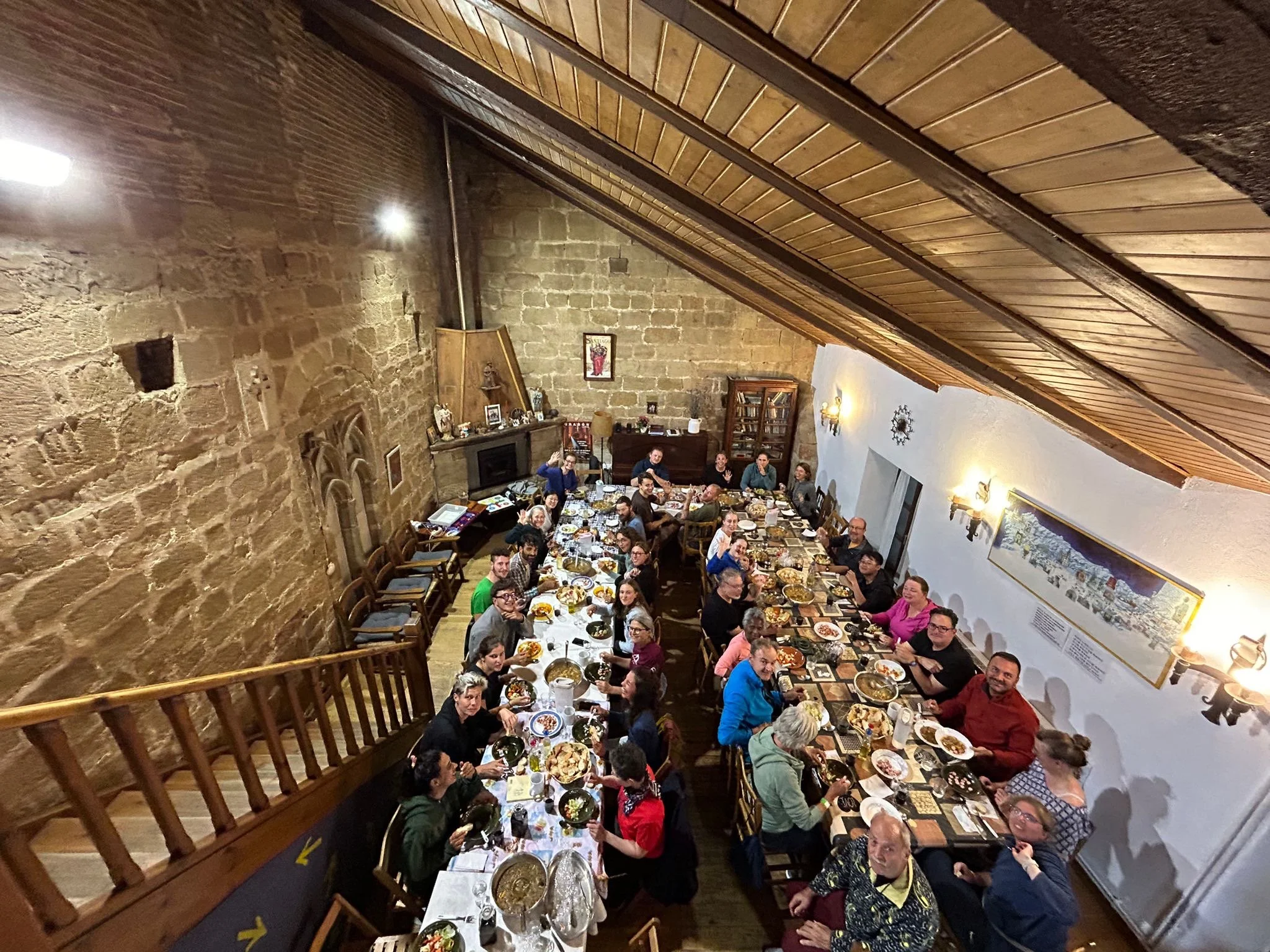
Albergue de Peregrinos Parroquial, Grañón, La Rioja, Spain.
Where the Tradition Comes From
The donativo system is not new. It goes back to the earliest days of the pilgrimage, long before hostels or guesthouses existed. In the Middle Ages, pilgrims did not pay for a bed. They relied on the charity of local people. Churches and monasteries opened their doors. Families let pilgrims sleep on the floor for the night. Food and shelter came from generosity, not from money.
The donativo albergues found today keep this old model alive. A donation is asked, but never required. Whatever a pilgrim can give, in money or in effort, is enough.
How a Donativo Works
Most donativo albergues run entirely on volunteers, called hospitaleros. Many stay for a week or two, unpaid, simply to keep the tradition running (become an hospitalero! Visit https://www.caminosantiago.org/cpperegrino/hospitaleros/cursos.asp or visit https://americanpilgrims.org/hospitalero-training/ if you’re american) . There is no set price for a bed. A donation box sits somewhere near the door, and each pilgrim decides what to leave.
But money is only part of it. Guests are expected to help. Before dinner, tasks are shared: setting the table, preparing the meal, and later, washing the dishes. No one is a paying customer here. Everyone is a participant.
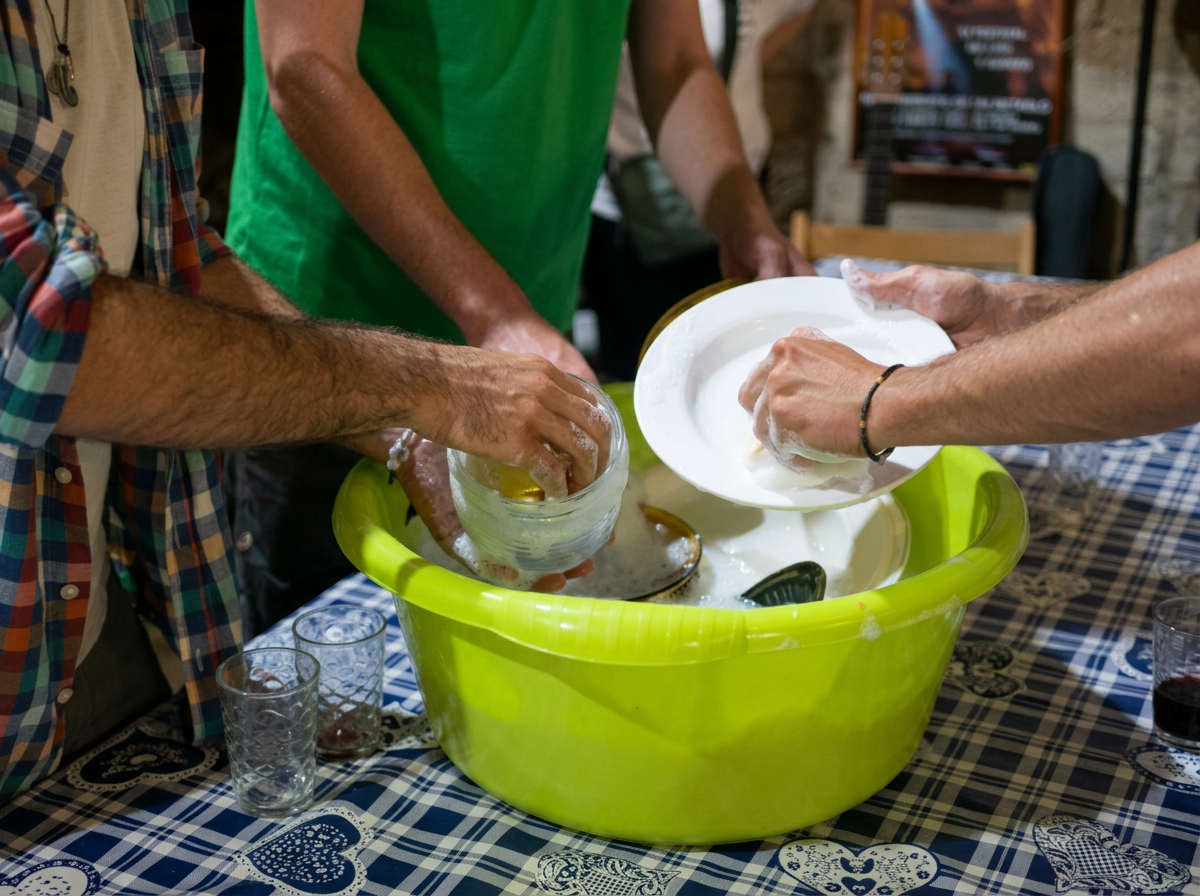
Pilgrims washing dishes after dinner.
A Lesson in Community
This is what separates a donativo from any other type of accommodation on the Camino. Meals are shared at long communal tables, often lit by candles in old stone buildings. Conversation flows between pilgrims who arrived as strangers a few hours earlier. For one night, a group of travelers becomes something closer to a small community.
Comfort is basic, sometimes very basic. Bunks are simple, hot water is not guaranteed, and privacy is minimal, especially compared with private albergues that charge 10 to 15 euros a night. What is gained instead is connection, both with fellow pilgrims and with the volunteers who keep the place alive.
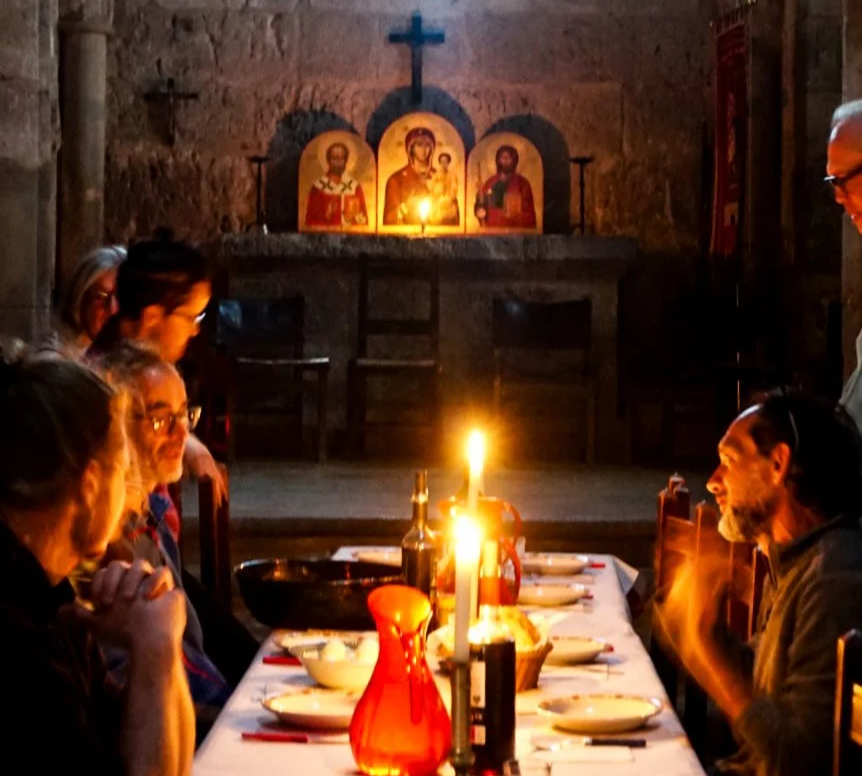
Dinner by candlelight inside the Ermita de San Nicolás, Itero del Castillo, Castile and León, Spain.
Not Only on the Camino Francés
Donativo albergues are most common on the Camino Francés, where the tradition is strongest. Research shows they also exist on other routes, including the Camino del Norte and the Camino Primitivo, though in smaller numbers. The spirit, however, stays the same wherever they are found.

The donativo albergue is more than a free or low-cost bed. It is a working example of trust and generosity, still functioning after centuries. For many pilgrims, it captures the true spirit of the Camino better than any five-star arrival in Santiago ever could.
Buen Camino.