Liminality and Communitas: The Hidden Structure Behind the Camino
Every pilgrim who walks the Camino follows the same physical route. But underneath the walking, the packing, the nights in albergues, there is an older structure at work. Anthropologists call it the rite of passage. It explains why so many pilgrims describe the Camino as more than just a long walk.
The Rite of Passage
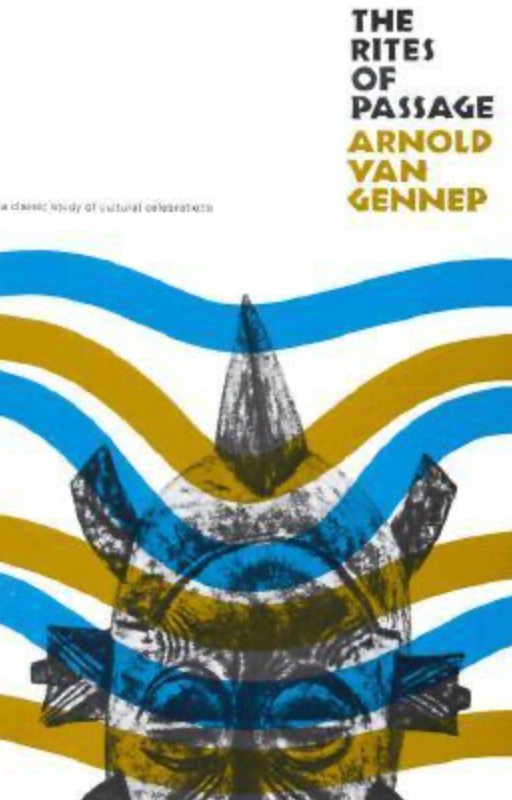
The idea comes from Arnold van Gennep, a French anthropologist. He described rituals in three stages: separation, liminality, and reincorporation (The Rites of Passage, 1909). Separation happens when a pilgrim leaves home behind. Liminality is the journey itself. It is a period suspended between two worlds. Reincorporation happens on arrival in Santiago. The pilgrim returns to normal life, changed by the experience.
Victor Turner, another anthropologist, later expanded this model. He showed it also applies to modern practices like pilgrimage (The Ritual Process, 1977).
Recommended Reading
Arnold van Gennep, The Rites of Passage (1909)
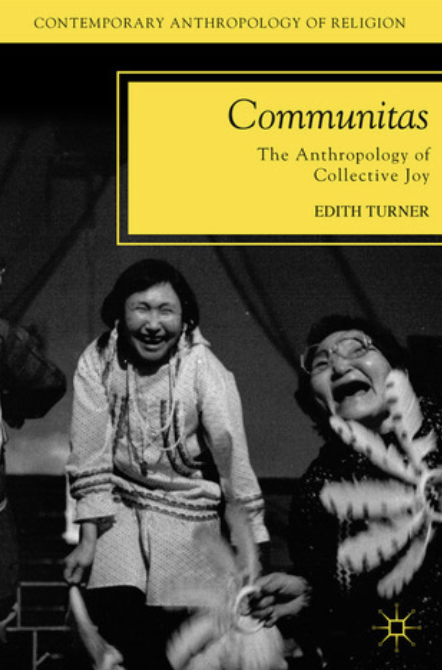
Edith Turner, Communitas: The Anthropology of Collective Joy (2012)
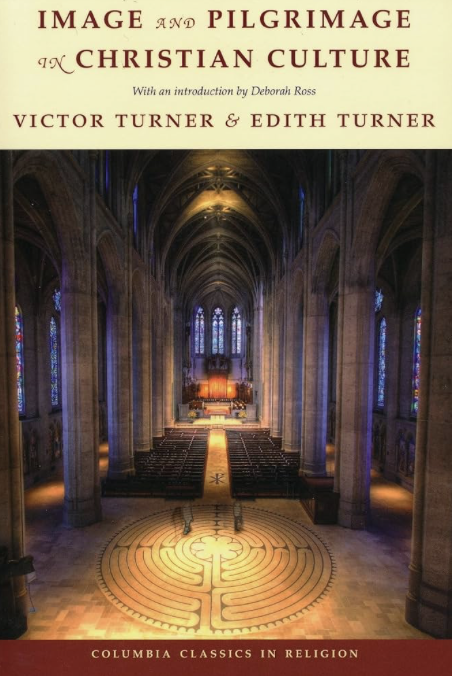
Victor Turner and Edith Turner, Image and Pilgrimage in Christian Culture (1978)
Liminality: Betwixt and Between
Liminality is the core of this idea. The word comes from the Latin limen, meaning threshold. On the Camino, the pilgrim is "betwixt and between." No longer part of the world left behind. Not yet part of ordinary life again.
This shows up in simple ways. Pilgrims detach from home routines. They form new relationships with strangers. Time feels different when the days are built around walking. Ordinary places, roads, churches, albergues, take on deeper meaning through repetition.
Turner also noted that today's Camino works differently from medieval pilgrimage. Modern pilgrims choose to walk on their own terms. Their reasons may be spiritual, personal, or simply recreational (Frey, 1998). Turner called this a liminoid experience. It is a modern, individual version of the same threshold state.
Communitas: Community Without Hierarchy
Out of liminality comes communitas. Turner used this term to describe a spontaneous sense of equality among strangers (The Ritual Process, 1977). On the Camino, people from very different backgrounds share the same fatigue, the same weather, the same uncertainty. This shared vulnerability creates bonds that do not usually form so fast in ordinary life.
A shared meal. A shared table. A shared task in the kitchen. These are the small moments where communitas becomes visible. The dinner inside the Ermita de San Nicolás de Puente Fitero is one clear example (read the previous post). Pilgrims eat together at one long table, by candlelight, with no formal roles between them.
Not every scholar agrees that communitas is always this simple. John Eade and Michael Sallnow, two anthropologists, pointed out that pilgrimage spaces can also involve competition and exclusion (1991). Not every pilgrim walks for the same reason. Nancy Frey, who studied pilgrims on the Camino directly, made a similar point (1998). Deep connection with strangers often exists alongside tension and different motivations. Communitas is not constant. It comes and goes, depending on the moment.
A Structure That Still Holds
This model helps explain something pilgrims describe again and again: a strong sense of belonging, often called the "Camino Family." Data collected from pilgrims support this. Most describe forming lasting bonds during the journey, built through shared meals and small acts of solidarity.
The Camino today works as a liminoid arena, in Turner's terms. It is a voluntary, modern space. Old ritual structures, separation, liminality, reincorporation, still operate here, just outside a strictly religious framework. In a sense, it remains a working laboratory of social connection, still active after centuries.
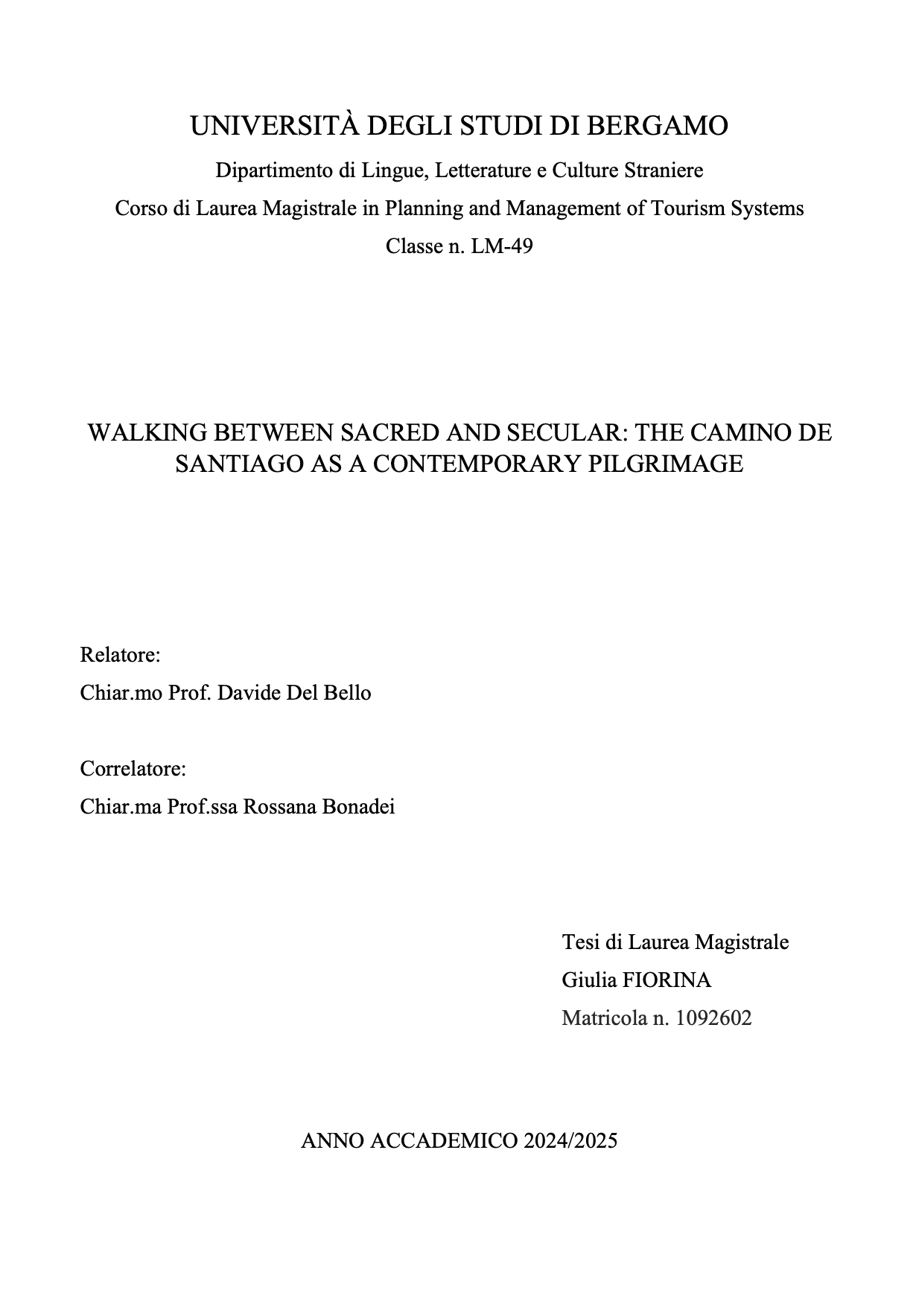
This post is based on original research conducted for a master's thesis on the Camino de Santiago. The full thesis is available below for anyone who wants to explore the topic further.
Walking Between Sacred and Secular: The Camino de Santiago as a Contemporary Pilgrimage
Author: Giulia Fiorina